What side effects can occur?
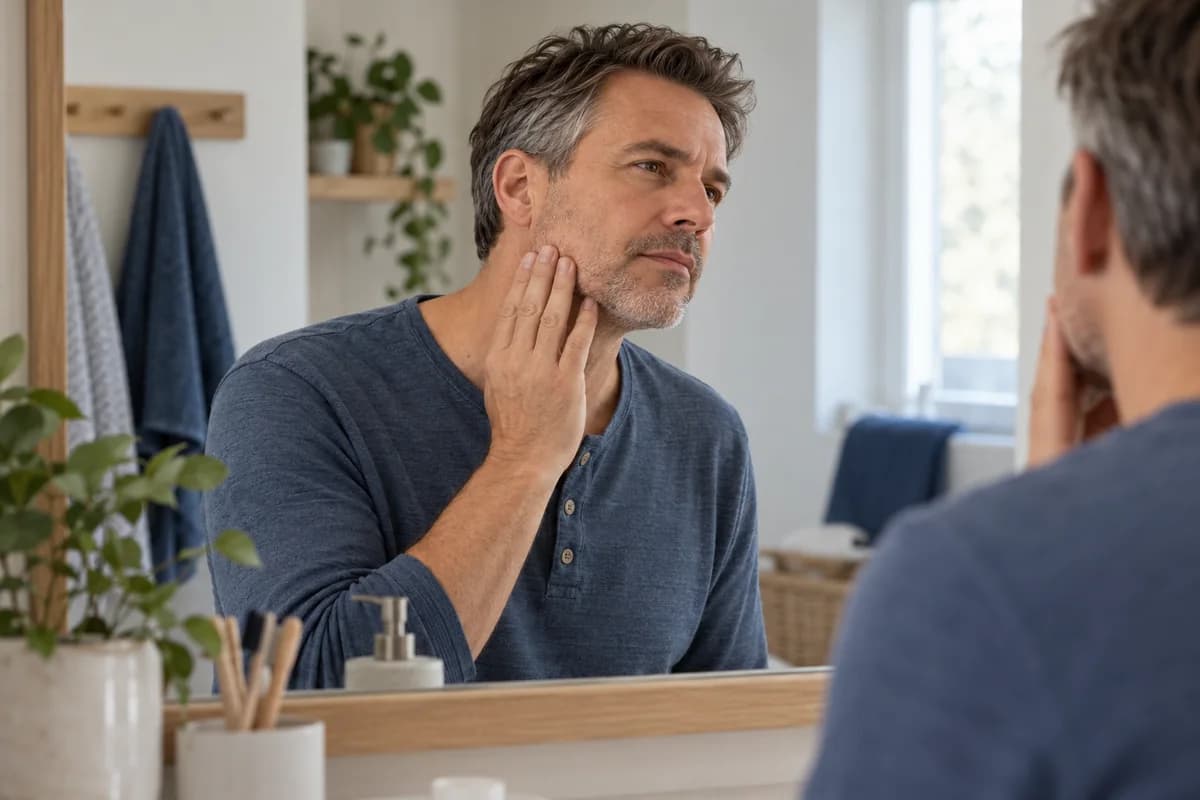
Reported effects include increased saliva, dry mouth, sore teeth or jaw muscles, tissue irritation and changes in the bite. Tooth position and bite changes may develop over time.
A known side effect is not something you must ignore. Your dentist should assess its cause and whether adjustments are needed. We do not give a fixed “normal” pain level or a number of days everyone should wait.
Sources: AADSM side-effect consensus, 2017
What should you report?
Scroll the table horizontally on smaller screens.
| What you notice | Useful details |
|---|---|
| Sore teeth or jaw | Where is the discomfort, when does it start and does it last beyond the morning? |
| An altered bite | Which teeth meet differently, and does the feeling go away? |
| Dry mouth or excess saliva | When does it occur, and does it interfere with use? |
| Sores or poor fit | Where does it rub, and has the appliance or your dental health changed? |
| Damage | What is loose or broken? Get advice before continuing to use it. |
Sources: AADSM side-effect consensus, 2017
Keep adjustments within your treatment plan
Do not grind, bend or modify the appliance yourself. If your dentist has taught you specific adjustments, follow that plan and ask when uncertain. Instructions for one device may not apply to another.
Get professional advice about severe pain, injury or a device that no longer fits before further use. If the appliance treats OSA and you need to pause it, ask the medical and dental team how the breathing disorder should be managed meanwhile.
Sources: AADSM updated standards, April 2025 · AADSM side-effect consensus, 2017
Follow-up concerns both your mouth and your sleep
A visit may assess fit, bite, teeth, gums, jaw function, use and the treatment result. Ask for the follow-up arrangements in writing, particularly when several providers are involved.
If you move or change dentists, retain the device information, previous adjustments and monitoring plan to help the next professional.
Comfort alone does not prove that an appliance controls OSA. Its breathing effect needs assessment within the medical treatment plan.
Sources: AADSM updated standards, April 2025 · AASM longitudinal testing guidance, 2021
A simple checklist for your follow-up visit
A few notes can make the conversation more precise. You do not need extensive health tracking.
- What works well with the appliance?
- When and why is it difficult to use?
- Have you noticed new tooth, bite or jaw symptoms?
- Has your partner noticed changes, or has daytime sleepiness changed?
- When is the next review, and who checks effectiveness?
Consider benefits and drawbacks together
The aim is treatment that helps the intended problem and is workable in daily life. An article can explain the questions; it cannot decide whether you should continue, modify or stop your personal treatment. Make that decision with your care team. Follow-up is part of treatment, not a sign that you have done something wrong.
EXPLORE THE EVIDENCE
Sources and further reading
These sources support the explanations. General information does not replace an individual healthcare assessment.
- AADSM side-effect consensus, 2017 Potential oral appliance side effects and their management by the treating dental team.Source checked October 28, 2026
- AADSM updated standards, April 2025 The 2025 standards for medical and dental collaboration, in-person dental assessment, appliance fitting and ongoing monitoring.Source checked October 28, 2026
- AASM longitudinal testing guidance, 2021 The 2021 guidance on follow-up sleep testing, including after non-PAP treatments.Source checked October 28, 2026