What someone may notice at night
A partner may notice breathing stopping and restarting, gasping, or snoring alternating with quiet periods. You may notice restless sleep or repeated awakenings. Some people do not remember anything unusual.
Sources: NHLBI: Symptoms
What you may notice during the day
Sleepiness means a tendency to fall asleep. Fatigue can feel more like low energy. Tell your provider what actually happens: do you doze on the couch, fight sleep in meetings or mainly feel exhausted?
Morning headaches and difficulty concentrating can occur with sleep apnea, but they are not specific to it. Describe other symptoms and changes in your life without deciding on the explanation in advance.
Sources: NHLBI: Symptoms
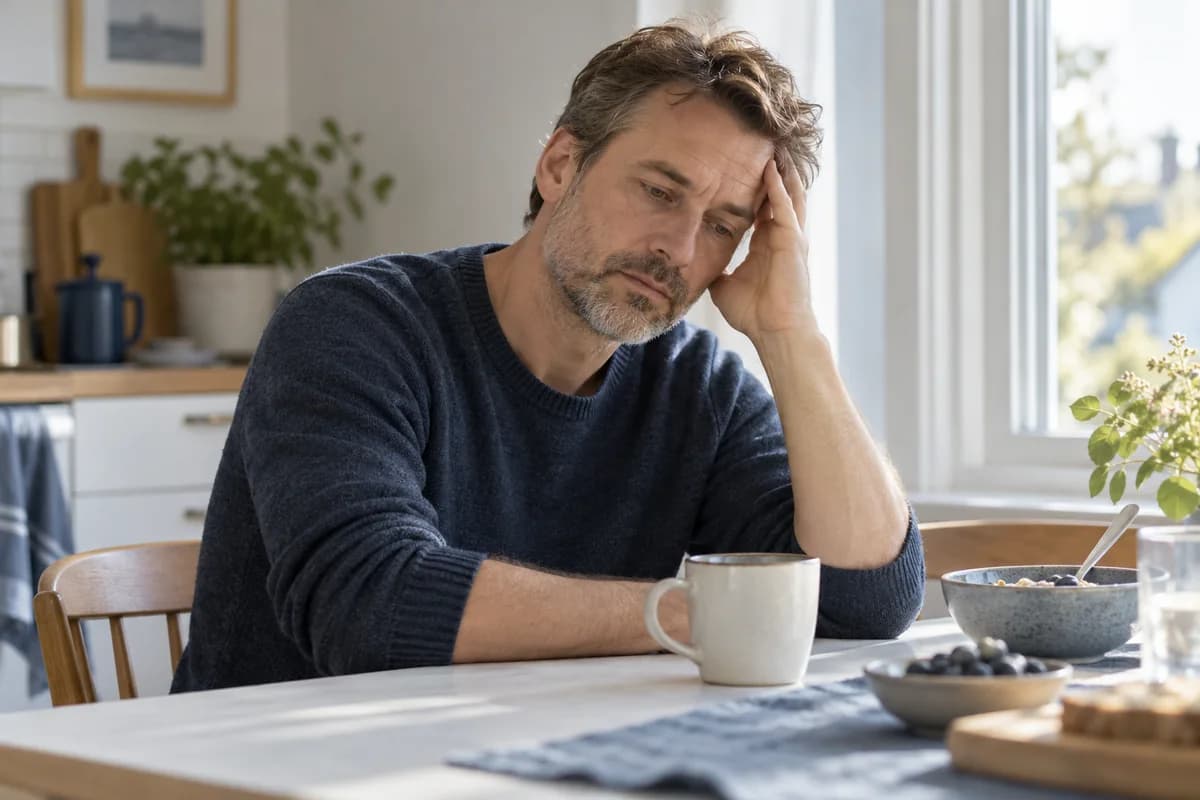
How to describe your symptoms
Scroll the table horizontally on smaller screens.
| Area | A concrete description to prepare |
|---|---|
| Breathing at night | What was observed, by whom and approximately how often? |
| Sleep | Are awakenings or restlessness a new pattern? |
| Daytime | When do you feel sleepy or lose concentration? |
| Changes | Have symptoms worsened, and what else has changed? |
| Previous approaches | What have you tried, and did it make a difference? |
When should you seek help?
Make an appointment with your primary care provider or another appropriate clinician if breathing pauses have been observed or you have significant daytime sleepiness. Persistent sleep problems affecting daily life are also worth discussing. You do not need to count a particular number of pauses first.
If you might fall asleep at the wheel, do not continue driving. Pull over safely and arrange a safe way to travel. Seek medical evaluation of ongoing sleepiness.
Sources: NHLBI: Symptoms · NHTSA: Drowsy driving
Symptoms need to be considered together
Questionnaires can help a clinical evaluation, but they are not a sleep study and cannot diagnose sleep apnea on their own. Snorehelper does not collect symptoms or calculate your personal probability of having the condition.
Bring notes on paper or in a system you control. Separate what you have experienced yourself from what someone else has observed.
Sources: AASM diagnostic testing guideline, 2017, original paper
What if the concern is about a child?
This guide is written for adults. Discuss breathing pauses, persistent snoring or concerns about a child’s sleep with their healthcare provider. Children can have different symptoms and treatment needs. Do not use adult oral appliances or treatment advice for a child without professional guidance.
Sources: NHLBI: Symptoms
EXPLORE THE EVIDENCE
Sources and further reading
These sources support the explanations. General information does not replace an individual healthcare assessment.
- NHLBI: Symptoms Breathing-related and daytime symptoms that can occur with sleep apnea.Source checked October 28, 2026
- NHLBI: Diagnosis Clinical evaluation, sleep studies and other investigations used to diagnose sleep apnea.Source checked October 28, 2026
- NHTSA: Drowsy driving How sleepiness affects driving and why adequate sleep and stopping safely matter.Source checked October 28, 2026
- AASM diagnostic testing guideline, 2017, original paper The 2017 adult diagnostic guideline on polysomnography, appropriate home testing and follow-up after unsuccessful home testing.Source checked October 28, 2026